
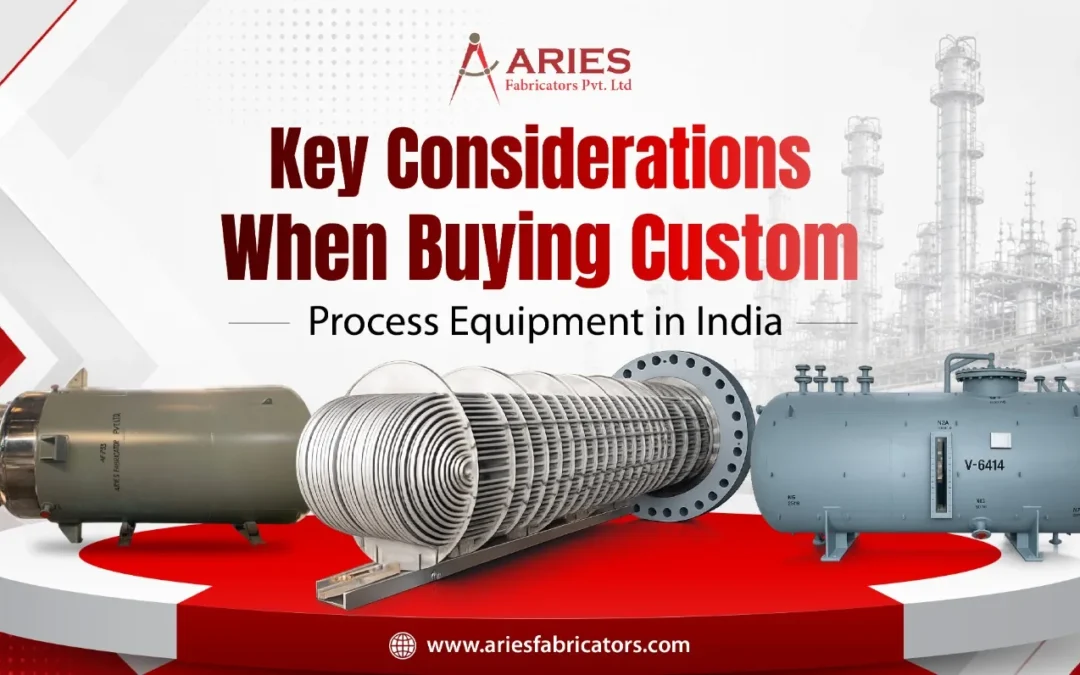
Investing in custom process equipment in India is a critical decision for industries such as pharmaceuticals, chemicals, food processing, petrochemicals, water treatment, and manufacturing. The performance, efficiency, and reliability of your production processes largely depend on the quality and design of the equipment you choose. Unlike standard machinery, custom-built process equipment is designed to meet specific operational requirements, ensuring seamless integration with existing systems and optimized productivity.
However, selecting the right equipment manufacturer involves more than comparing prices. Buyers must evaluate engineering expertise, material quality, compliance standards, manufacturing capabilities, and long-term support services. Making an informed decision can help businesses avoid costly downtime, improve operational efficiency, and achieve a better return on investment.
This guide explores the most important factors to consider when purchasing custom process equipment in India, helping industries make confident and strategic buying decisions.
Why Custom Process Equipment Matters
Every industrial process has unique requirements. Standard equipment may not always meet the precise specifications needed for specialized applications. This is where custom process equipment offers a significant advantage.
Custom-designed equipment provides:
• Higher Product Yield
• Reduced Production Time
• Enhanced Impurity Control
• Maximum Product Purity
• Improved Process Efficiency
• Increased Operational Safety
Whether you need reactors, pressure vessels, heat exchangers, storage tanks, mixing systems, or specialized process equipment, customization ensures that the equipment is built around your operational goals rather than forcing your operations to adapt to generic machinery.
Evaluate the Manufacturer’s Industry Experience
One of the first factors to consider is the manufacturer’s experience in designing and fabricating custom process equipment. Experienced manufacturers understand industry-specific challenges and can provide practical engineering solutions.
When evaluating a supplier, consider:
- Years of experience in process equipment manufacturing
- Industries served
- Completed projects and case studies
- Engineering capabilities
- Customer testimonials and references
An experienced manufacturer can identify potential design issues early, recommend improvements, and ensure that the final equipment performs reliably under actual operating conditions.
Look for Proven Expertise
A manufacturer with extensive experience in chemical, pharmaceutical, food processing, or industrial applications will have a better understanding of process requirements, regulatory standards, and safety considerations. Their expertise can significantly reduce project risks and improve equipment performance.
Verify Material Selection and Quality Standards
The material used in process equipment directly affects durability, safety, corrosion resistance, and overall lifespan.
Common materials include:
| Material | Applications |
| Stainless Steel 304 | Food and general industrial applications |
| Stainless Steel 316/316L | Pharmaceutical and chemical industries |
| Carbon Steel | Heavy industrial applications |
| Duplex Stainless Steel | Corrosive environments |
| Alloy Materials | High-temperature and high-pressure applications |
| PP FRP | Chemical storage, acid handling, and corrosion-resistant applications |
| Rubber Lining | Abrasive and corrosive chemical processing applications |
| Lead Lining | Acid-resistant applications in chemical and metallurgical industries |
Always ensure that the manufacturer uses certified raw materials and provides proper material test certificates. High-quality materials contribute to longer service life and lower maintenance costs.
Importance of Corrosion Resistance
Industries handling chemicals, acids, solvents, or aggressive media should prioritize corrosion-resistant materials. Proper material selection helps prevent contamination, equipment failure, and unexpected shutdowns.
Check Design and Engineering Capabilities
The effectiveness of custom process equipment depends heavily on engineering design. A strong engineering team can create equipment that maximizes productivity while minimizing energy consumption and operational costs.
Important design considerations include:
- Process requirements
- Pressure and temperature conditions
- Flow characteristics
- Capacity requirements
- Safety features
- Future scalability
- Vacuum requirements
- Gas Purging Requirement
- Cooling requirements
- Bottom outlet material selection
- Discharge requirements
Modern manufacturers use advanced design software and simulation tools to validate equipment performance before fabrication begins.
Importance of Customized Engineering
Customized engineering ensures that every component is optimized for your specific process. This results in improved efficiency, reduced waste, and enhanced operational reliability.
Ensure Compliance with Industry Standards
Compliance is a crucial factor when purchasing process equipment. Industries often require equipment that meets national and international standards.
Look for manufacturers who comply with:
- ASME standards / API Standards (other Pacific and EV standards ADS )
- ISO certifications
- GMP requirements
- PED standards where applicable
- Industry-specific regulations
- Radiography / X-ray welding standards
- GEP Standards
Compliance ensures safety, reliability, and easier approval during inspections and audits.
Why Certifications Matter
Certified equipment demonstrates that the manufacturer follows recognized quality management systems and fabrication procedures. This provides buyers with greater confidence in product quality and performance.
Assess Manufacturing Infrastructure
The manufacturing facility plays an important role in determining product quality and delivery timelines.
A well-equipped facility should include:
- Modern fabrication machinery
- CNC equipment
- Welding facilities
- Testing and inspection capabilities
- Quality control laboratories
- 20-ton EOT*4 Bays
- Size of the workshop
Visiting the manufacturing plant or reviewing facility capabilities can provide valuable insights into the manufacturer’s production standards.
Advanced Fabrication Technology
Manufacturers using advanced fabrication technologies can achieve tighter tolerances, better weld quality, and superior finish, resulting in more reliable process equipment.
Review Quality Assurance and Testing Procedures
Quality assurance should never be overlooked when purchasing custom process equipment.
Key testing procedures may include:
- Hydrostatic testing
- Radiographic testing
- Ultrasonic testing
- Dye penetrant testing
- Pressure testing
- Performance validation
- Buffing / painting validation
- Surface finish
- Shaft runout testing
- Motor/gear temperature testing
- Final running trial test
A robust quality control process ensures that equipment meets design specifications before delivery.
Documentation and Traceability
Reliable manufacturers provide complete documentation, including test reports, inspection records, certificates, and operation manuals. Proper traceability helps maintain compliance and supports future maintenance activities.
Consider Installation and After-Sales Support
Buying process equipment is only part of the investment. Installation, commissioning, and ongoing support are equally important.
Choose manufacturers that offer:
- Installation assistance
- Site supervision
- Commissioning support
- Operator training
- Maintenance services
- Spare parts availability
Strong after-sales support minimizes downtime and helps maintain optimal equipment performance throughout its lifecycle.
Long-Term Partnership Benefits
Working with a manufacturer that provides comprehensive support can significantly improve equipment reliability and reduce total ownership costs over time.
Evaluate Delivery Timelines and Project Management
Industrial projects often operate under strict deadlines. Delayed equipment delivery can affect production schedules and increase project costs.
Before placing an order, discuss:
- Manufacturing timelines
- Engineering schedules
- Procurement processes
- Testing durations
- Delivery commitments
- Quality Assurance Plan
A professional manufacturer will provide realistic timelines and regular project updates throughout the fabrication process.
Importance of Project Coordination
Effective project management ensures smooth communication between engineering, production, quality control, and logistics teams, reducing the risk of delays and unexpected issues.
Compare Total Cost Instead of Initial Price
Many buyers focus primarily on purchase price. However, evaluating the total lifecycle cost provides a more accurate picture of long-term value.
Factors affecting lifecycle cost include:
- Energy efficiency
- Maintenance requirements
- Equipment lifespan
- Spare part availability
- Downtime risks
- Operational efficiency
A slightly higher upfront investment in high-quality custom process equipment often results in substantial savings over the equipment’s operational life.
Value Over Price
The cheapest option may not always deliver the best performance. Focus on overall value, reliability, and long-term operational benefits when comparing suppliers.
Choose a Trusted Custom Process Equipment Manufacturer
Selecting the right manufacturing partner is one of the most important decisions in any industrial project. A trusted manufacturer combines engineering expertise, advanced fabrication capabilities, strict quality control, and dedicated customer support to deliver reliable solutions tailored to specific process requirements.
Companies with a strong reputation in the industry can provide customized equipment designed to enhance productivity, improve safety, and support sustainable growth. Their ability to understand complex process requirements and deliver precision-engineered solutions makes them valuable long-term partners.
Conclusion
Purchasing custom process equipment in India requires careful evaluation of multiple factors, including engineering expertise, material quality, compliance standards, manufacturing capabilities, testing procedures, and after-sales support. The right equipment can significantly improve operational efficiency, product quality, and profitability while reducing maintenance costs and downtime.
Businesses should look beyond the initial purchase price and focus on long-term value, reliability, and supplier credibility. By partnering with an experienced and trusted manufacturer, industries can ensure that their process equipment investments deliver maximum performance and lasting results.
Recent Comments